
Before of empire and néoclassism
Before the Empire and Neoclassicism: Renaissance theorists and interpretations of the Baroque. A unique and remarkable collection of books on Architecture and Fine Arts at the Fesch Library.
The spur of Neo-Classicism was the discovery of Herculaneum and Pompeii, then the correspondence that was established between Greek art: democratic; and Roman art: patriotic. But already, the Renaissance had sought to theorize the heritage we had received from antiquity, while the Baroque era went further by reinterpreting it.
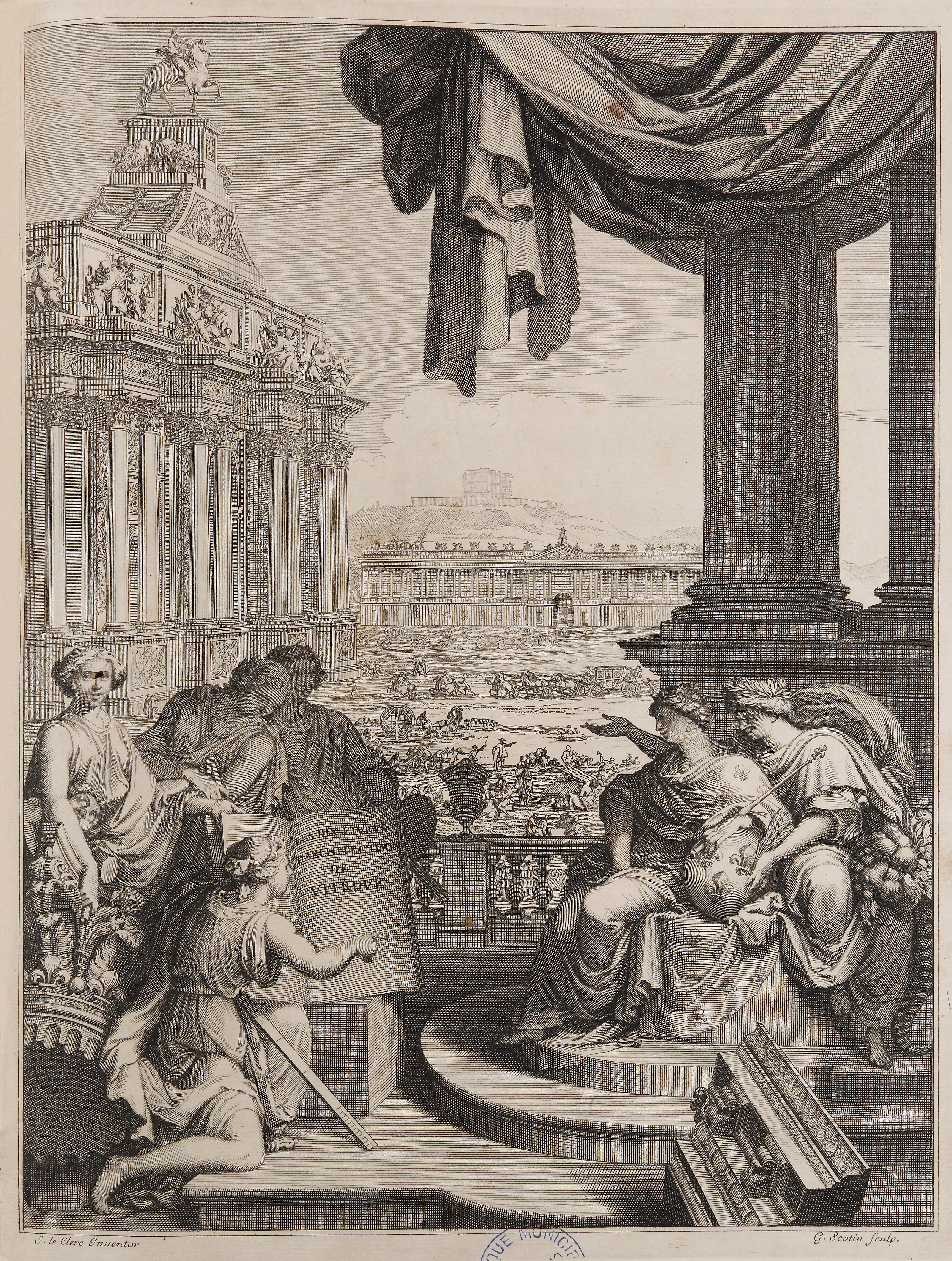
Gallery
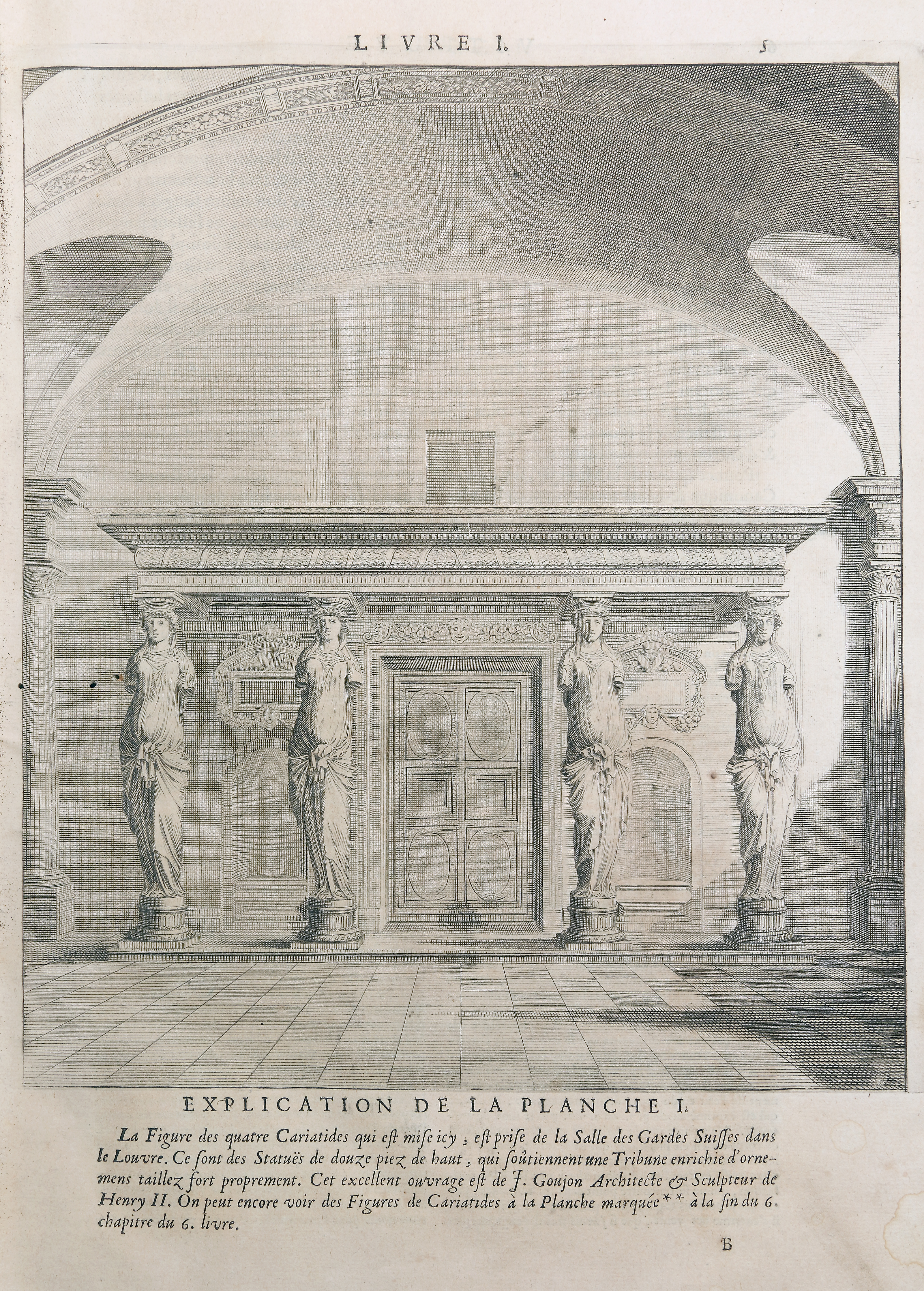
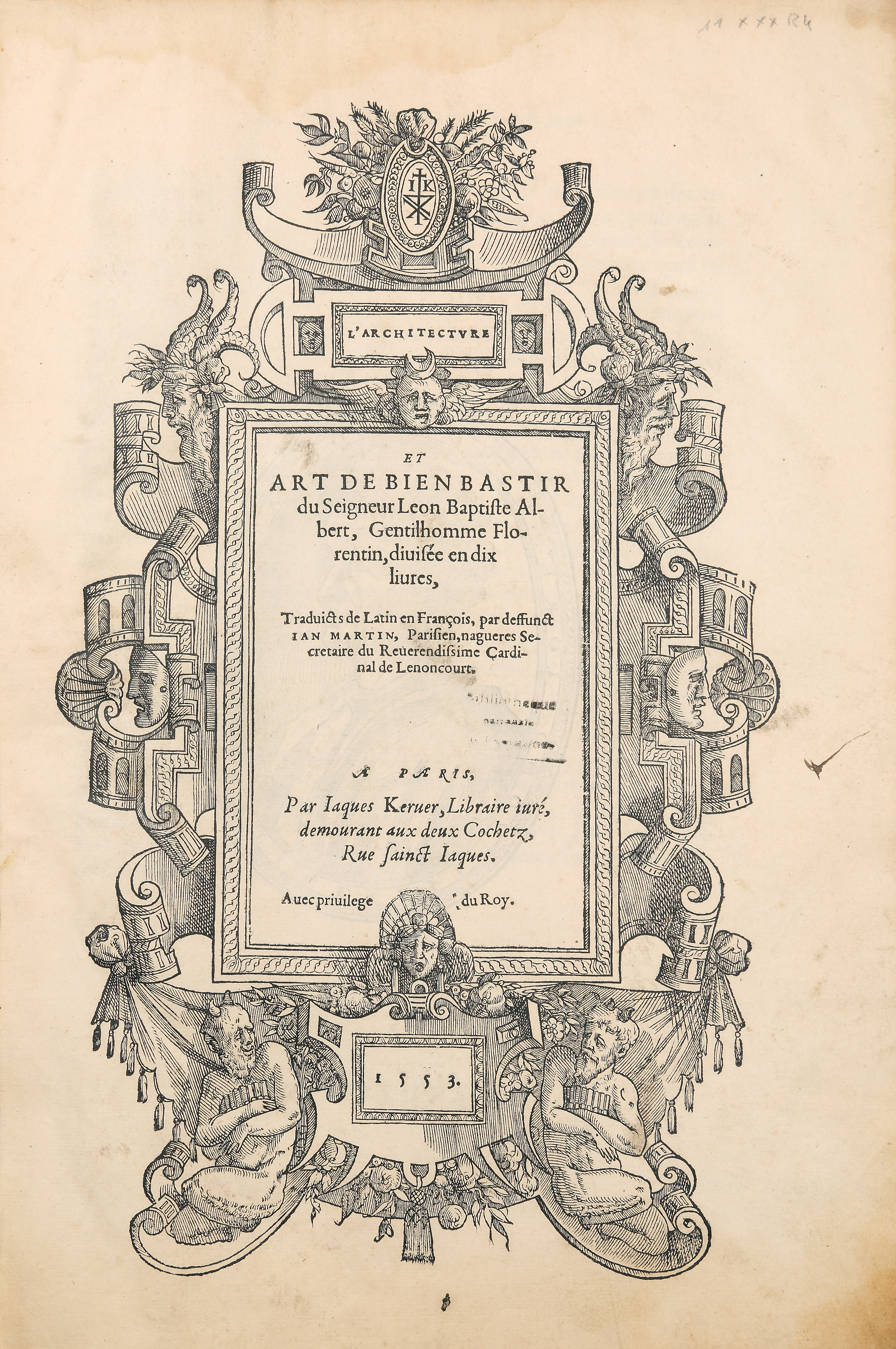
Architecture: Ancient heritage and Italian renaissance
To know the ancient architecture, only the writings of Marcus Vitruvius Pollio called Vitruvius enlighten us, supplemented by the observation of the remains that have reached us.
Divided into ten « books », De architectura deals with the general principles of architecture, the types of monuments of antiquity and various technical issues. In the Fesch collection (link to box), we have 3 copies, the oldest dating from 1552 and the most recent from 1684. The "De Architectura" defines very precisely the orders of architecture: Doric, Ionic, Corinthian and Tuscan or Etruscan. In a Europe that reveres ancient models, but knows Roman architecture only in the form of ruins, at least until the discovery of Pompeii, the work will have a considerable diffusion. Its influence on the European architecture of the XVI-XVII-XVIIIth centuries is incomparable. Thus, Claude Perrault, architect of the king, also architect of the colonnade of the Louvre, gave a French edition illustrated in 1673.
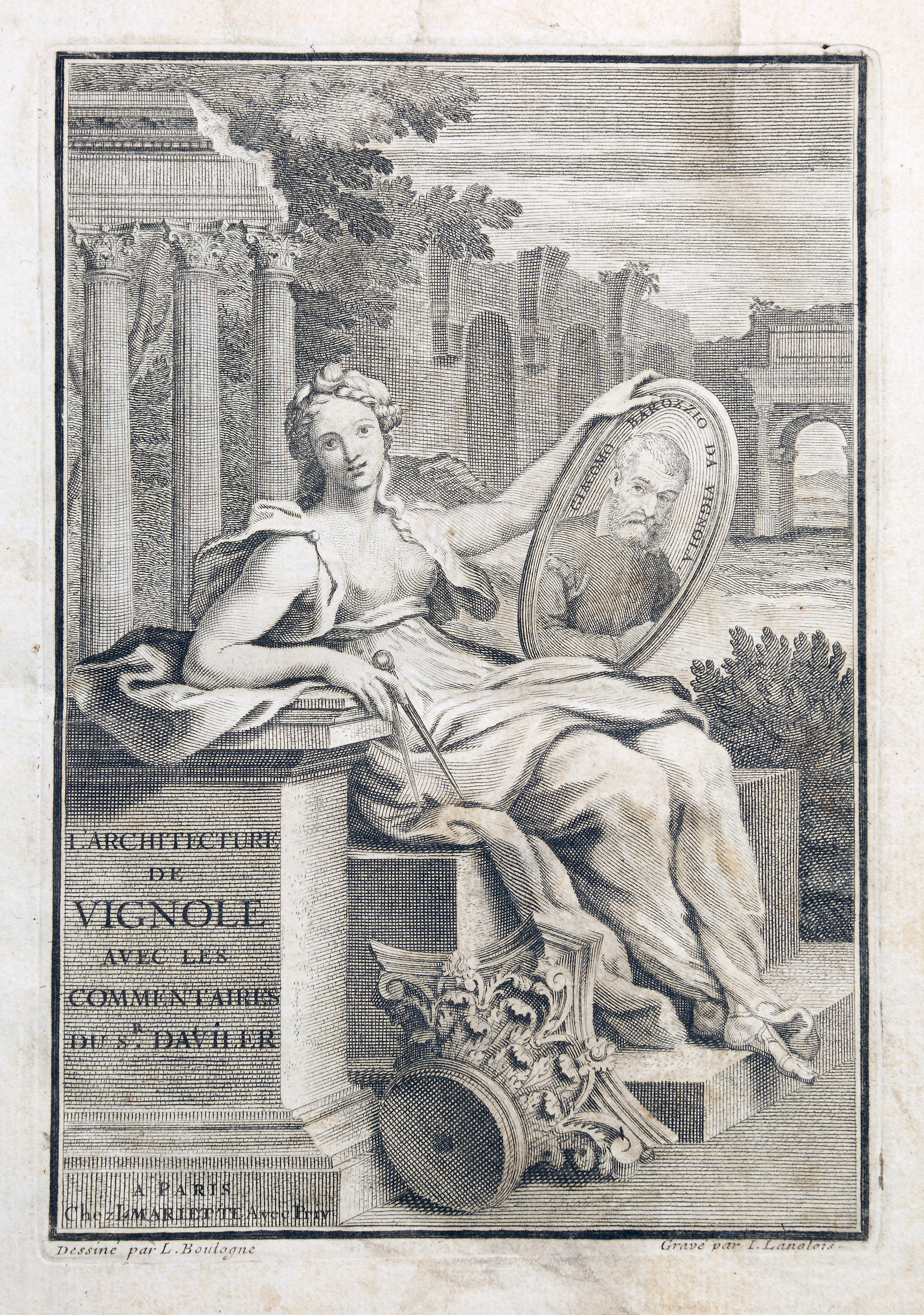
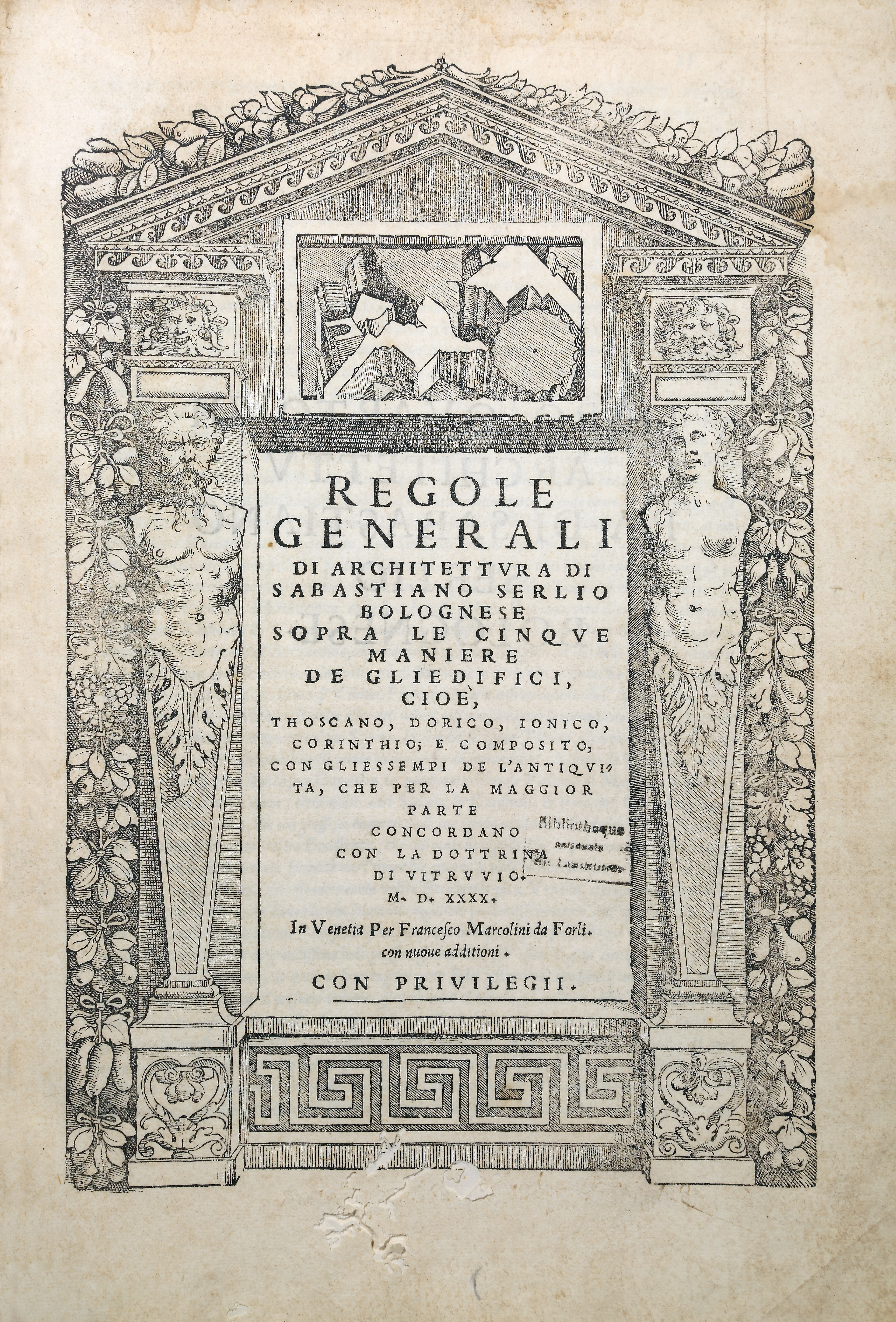
Before them, Palladio held Vitruvius to be his master. Born in 1508 in Padua and died in 1580 in Vincenze, Andrea di Pietro della Gondola dit Andrea Palladio is one of the great architects of the Italian Renaissance.
Following Alberti, author of L'architecture et l'Art de bien bastir, and Serlio, and Vignole (Regola delli cinque ordine d'architettura), Palladio analyses the proportions of ancient buildings but at the same time anticipates the work of Baroque architects by interpreting Roman models to invent a vision of architecture that is specific to him. It is in particular in the field of the villa that its contribution will be most marked, to the point that the English architecture of the eighteenth century will still be strongly inspired by it.
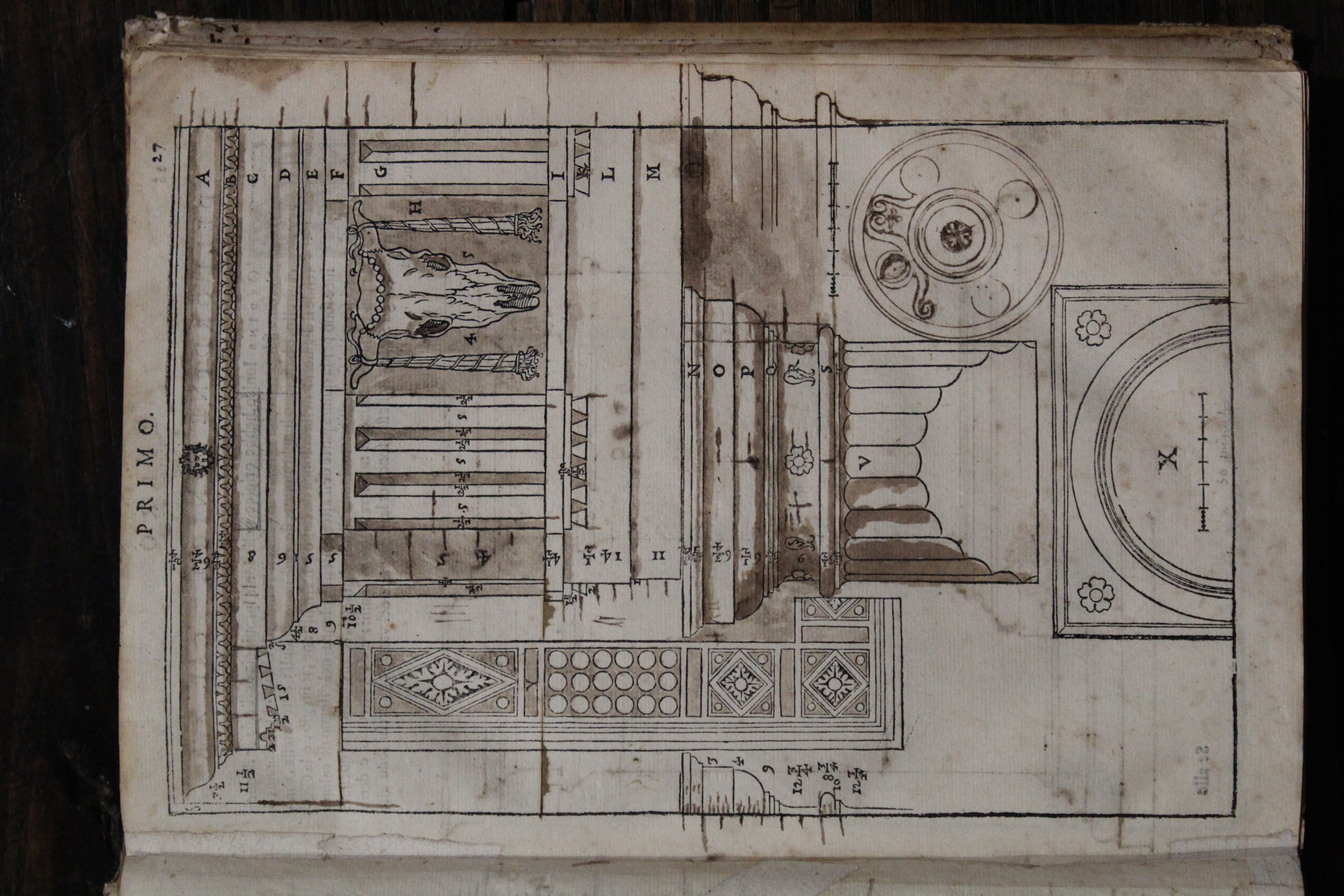
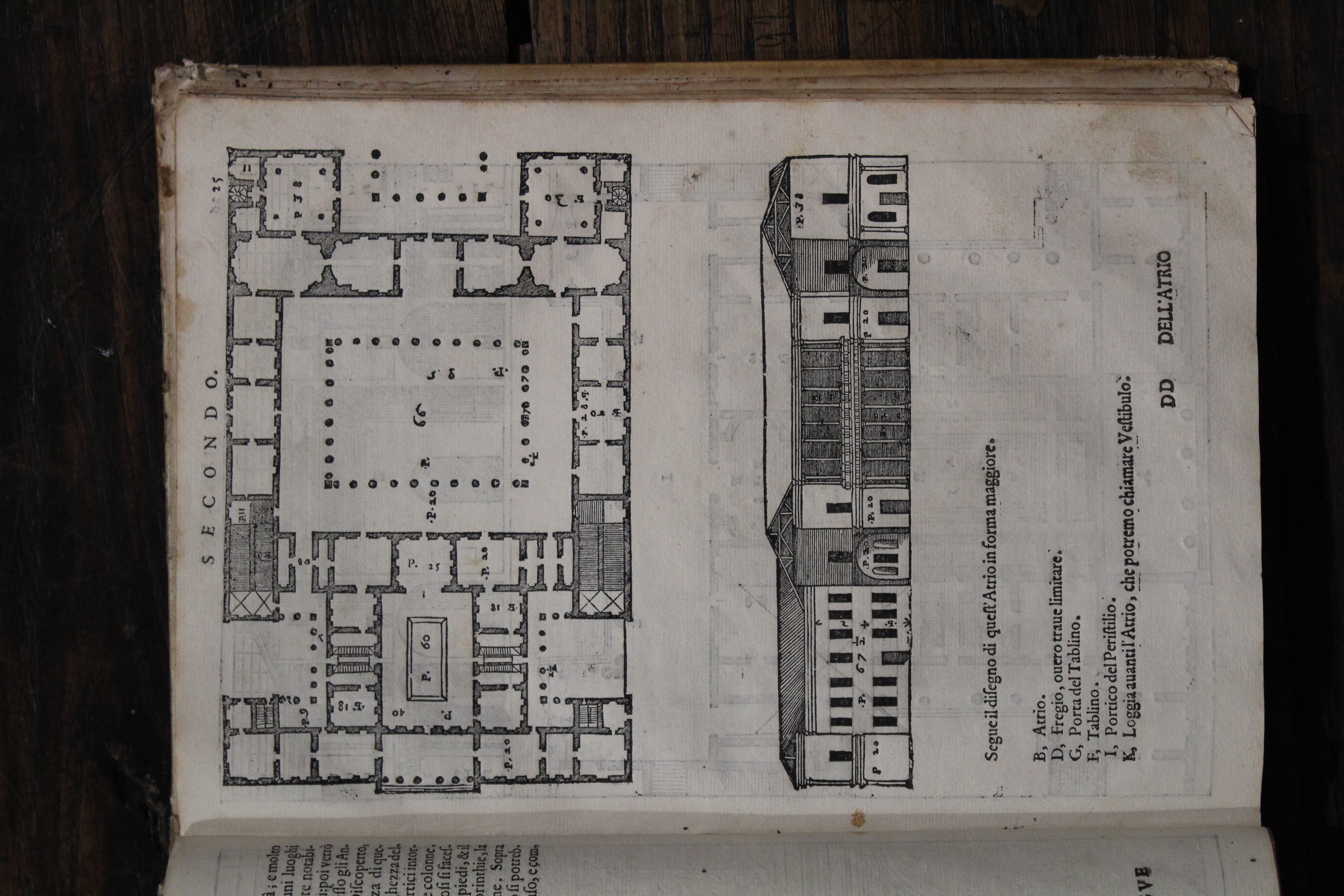
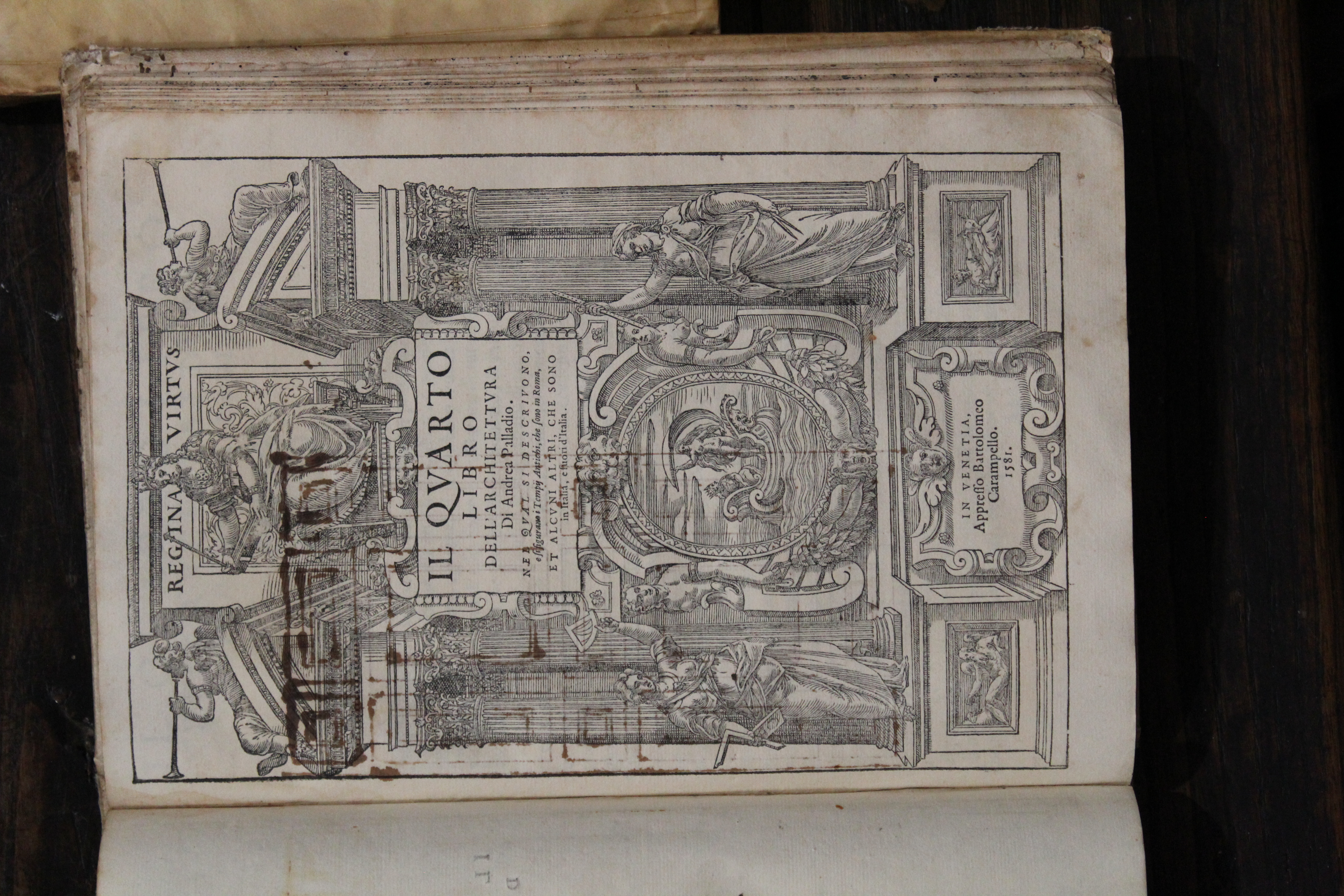
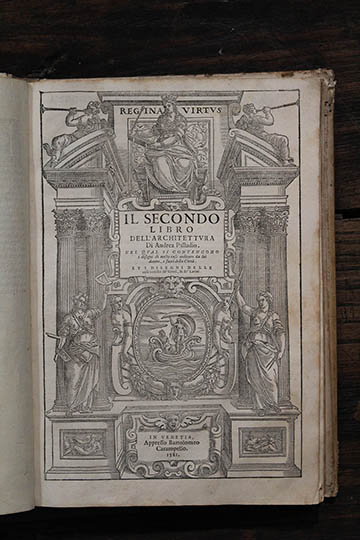
The Fesch library link to the box at the end of the page has 2 copies of the Four Books of Architecture by Andrea Palladio (one from 1581, the other from 1650). Palladio's most amazing book was bequeathed to us by Cardinal Fesch who was more than an amateur of Palladio's work. On the 25th Ventôse An VIII, he bought the Hôtel Hocquart de Montfermeil in Paris. This hotel designed by the great French architect Ledoux is directly inspired by the Villa Rotonda in Palladio!
Painting: from prelude to baroque to neo-classicism
The painting of the ancient Romans is almost completely unknown until the discovery of Herculaneum and Pompeii. But Raphael is considered the worthy heir of antiquity by the elegance and harmony of his paintings. Among its continuators, the Carraches unify the composition of ancient bas-reliefs with the imitation of the nature of the naturalist current
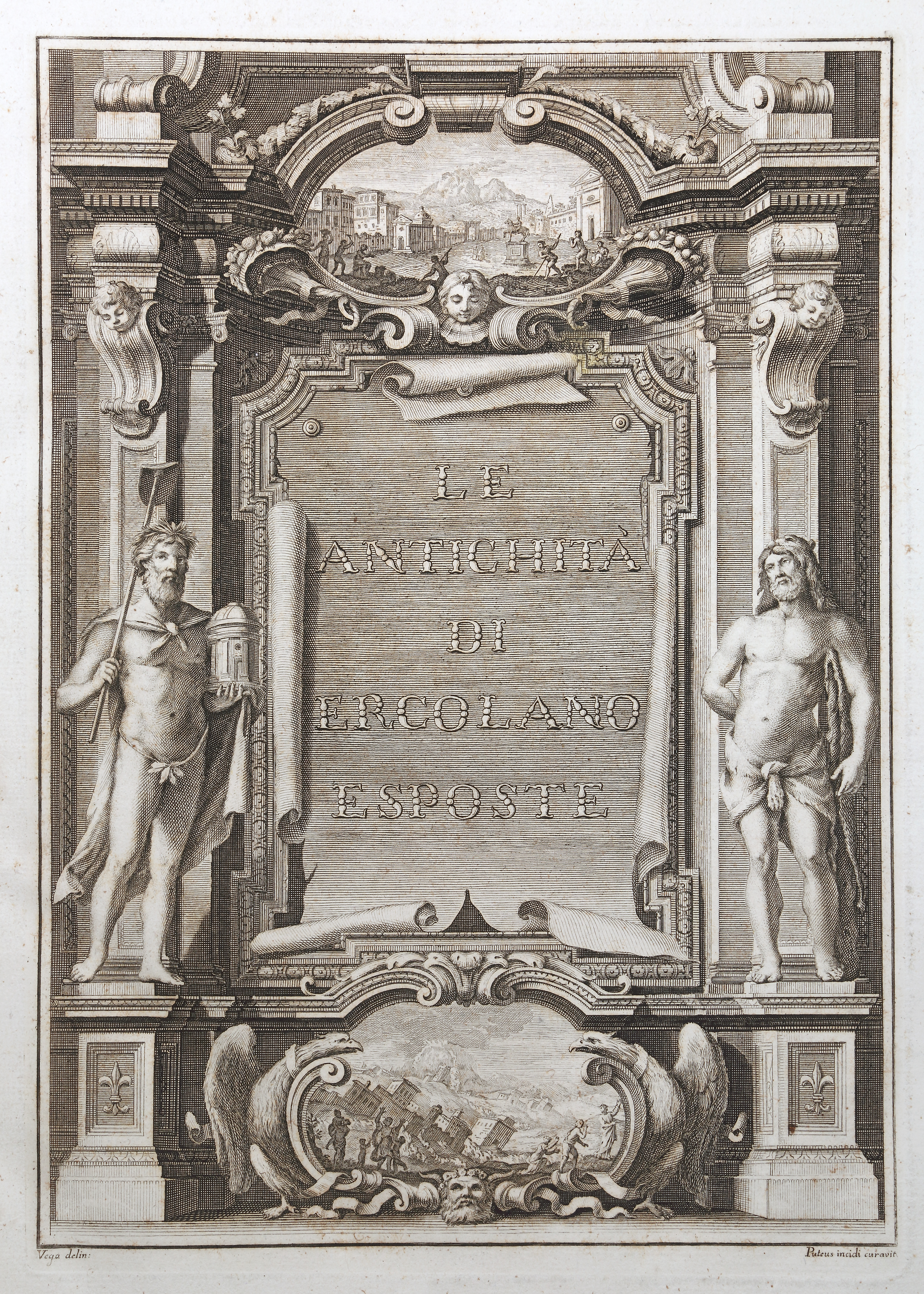
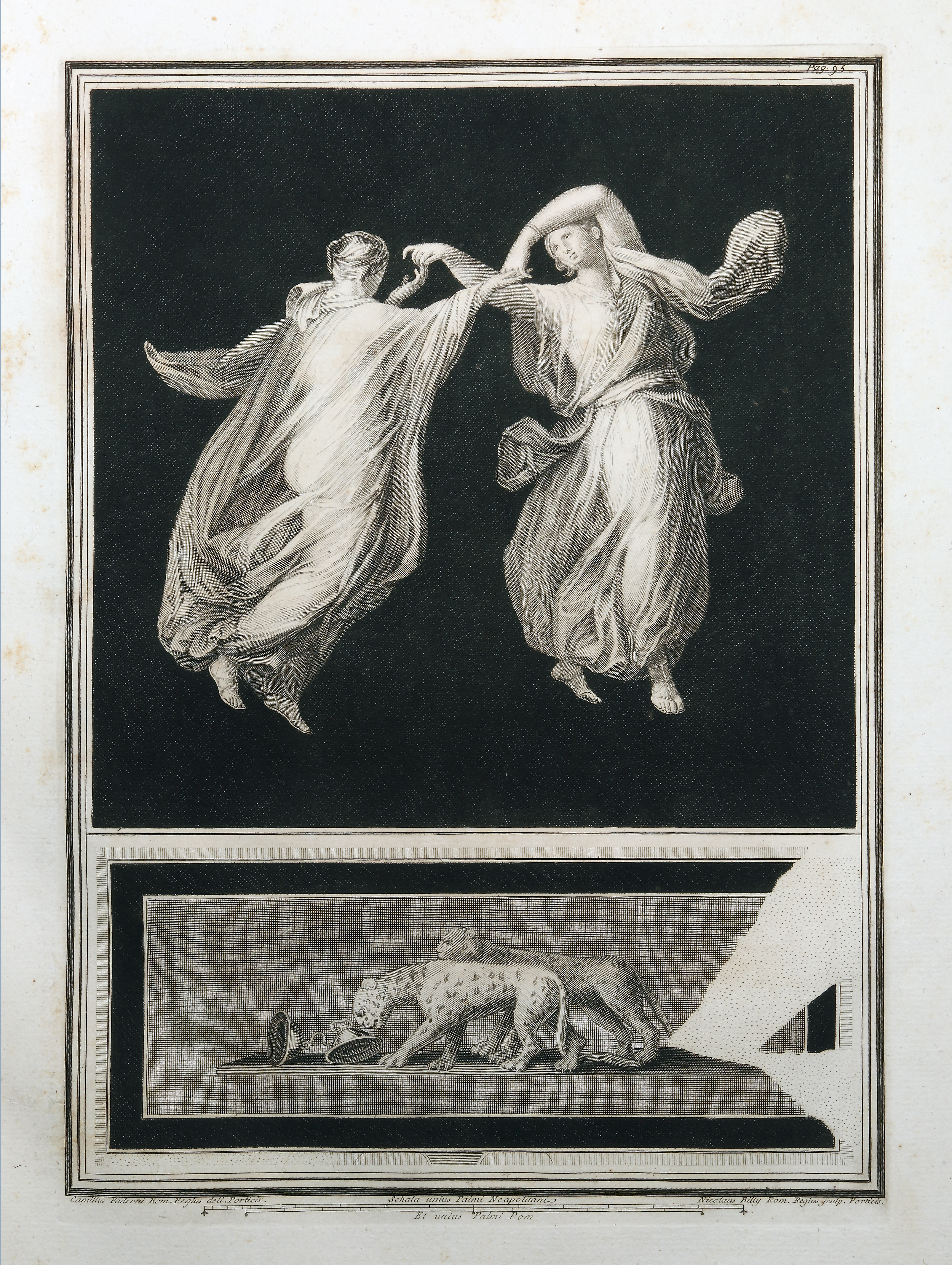
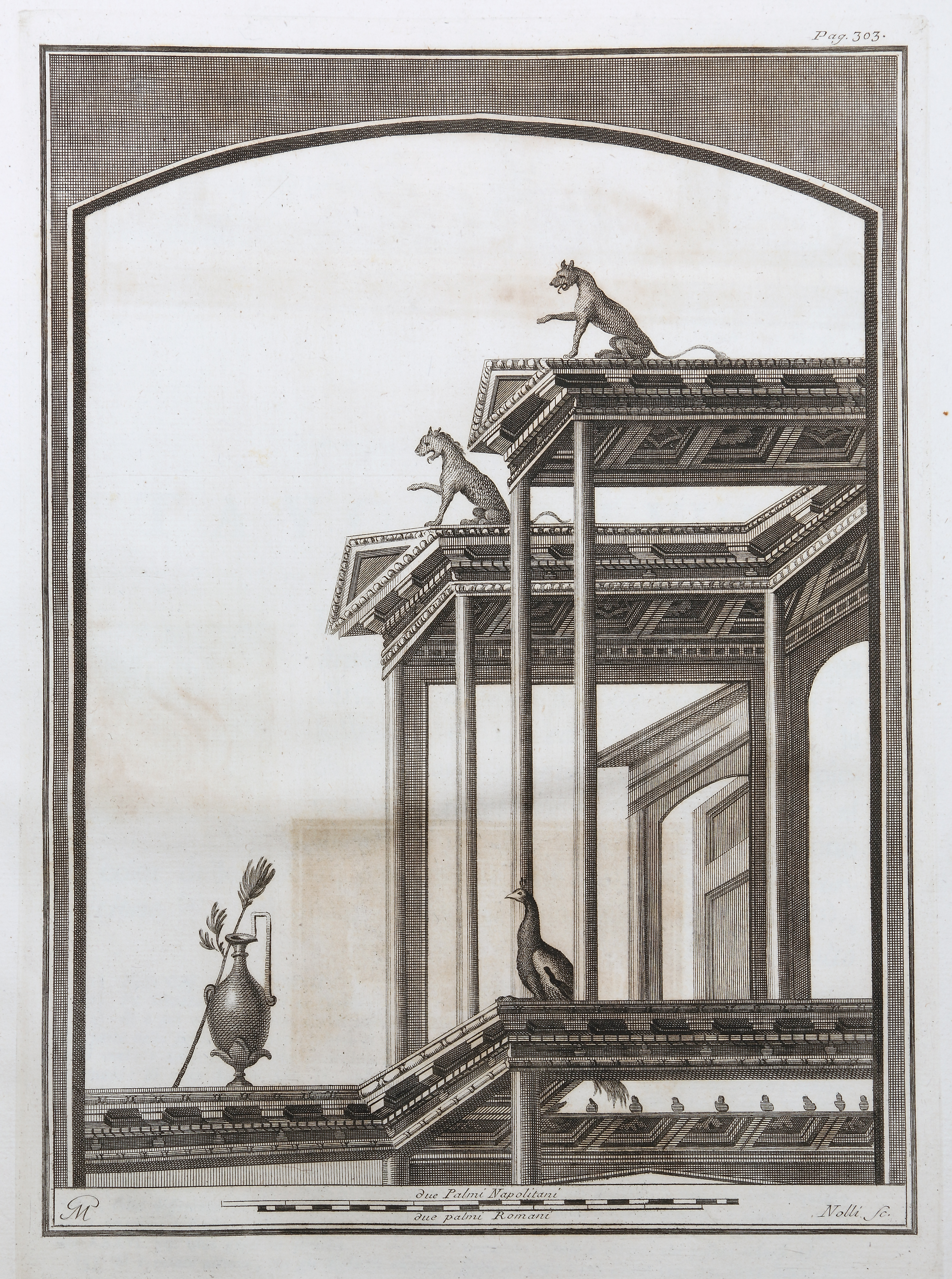
The Fesch collection tells the story of painting in its collections. The fresco painting of ancient Rome is discussed in the catalog of Ottavio Bayardi, the antique painting of Ercolano and incised contorni. Imagine the amazement at these Herculaneum works buried for centuries, which seem at the time of their discovery of an astonishing modernity. These faces frozen by unknown artists will permanently mark the imaginations of Europeans! And inspire a new artistic current: Neo-classicism.
Lucien Bonaparte and Cardinal Fesch
Lucien Bonaparte and Cardinal Fesch have bequeathed us an important body of works on the history of architecture from Roman antiquity to the 19th century Europe. This collection testifies to their taste for all forms of art. Taste that they have transcribed into all aspects of their lives: in the choice of their homes and palaces, the care they have taken in decoration and furnishings, in the acquisition of collections of antiques and in the creation of galleries of paintings and sculptures! However, the greatest collector of the Bonaparte family remains Cardinal Fesch who offered the City of Ajaccio a sumptuous collection of Italian paintings from the 13th to the 19th century, objects and sculptures on Napoleonic History and of course its Library of more than 8000 books, including a very beautiful background of manuscripts.
Pietro della Gondola dit Andrea Palladio
Andrea Palladio, architect of the Renaissance, is called « Vitruvius of modern times ». He was born in 1508 in Padua and died in Vicenza in 1580. He first worked as a stonemason in Vicenza, Veneto in northern Italy. Trained by his masters Giovanni di Porlezza and Girolamo Pittoni, with a taste for beautiful "antique", he discovered in the 1530s a passion for architecture. He completed his training during several trips to Rome and thanks to the careful study of the elders. He became a specialist in classical style and wrote several treatises on architecture, including the Quattro Libri (Four Books), a synthesis of his architectural works printed in Venice in 1570.
The Fesch library has 2 copies of this book, one from 1581, the other from 1650. Past in posterity for his "Palladian villas" in the Veneto countryside, he built about thirty villas between 1550 and 1580, the most famous of which is the Villa Rotonda. This villa, still admired today, is considered the synthesis, absolute and paradoxical at the same time, of the two major components of the architecture of the Cinquecento: the Vitruvian classicism and the modern mannerism. He also built several churches in Venice, including San Giorgio Maggiore and the Redentore.

