CATALOG
cATALOG

ISLAND BOOK PRIZE SCIENCE category
The jury chose to distinguish a beautiful book beautifully illustrated and laid out with the title: Les Bonaparte et l'antique, un langue impérial , which is based on an exhibition organized in Ajaccio in 2021 to celebrate the bicentenary of Napoleon's death. It shows how and why the references to ancient Rome developed at the end of the 18th century by the neoclassical current found a particular echo that satisfied Napoleon's appetite for glory and conquest.
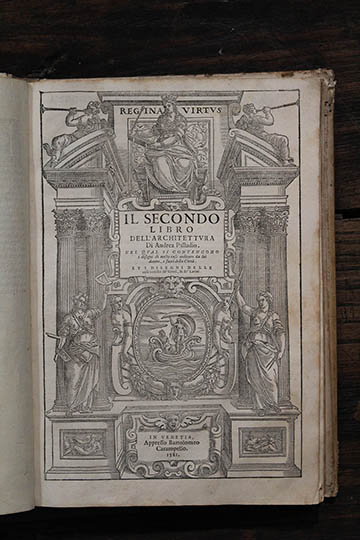
It was particularly evident when he was crowned King of Italy in 1805 and placed his relatives at the head of Italian duchies and kingdoms: Naples or Tuscany. And it was not only him but all the representatives of the Bonaparte family: his brothers, sisters, brothers-in-law and especially his uncle Cardinal Fesch who, driven by the passion of the ancient, favored the excavations of Herculaneum and Pompeii and collected not only works of art but also scholarly works relating to architecture and the ancient arts. This beautiful book, published by the Albiana editions is due to the pen of enlightened scholars among whom we distinguish Jean-Marc Olivesi who was the curator of the Ajaccio exhibition and to whom we owe the pages, in my opinion, the most instructive of this beautiful book both pleasant and scholarly.
Taking up the milestones of the European fascination for ancient Rome from the time of Charlemagne to that of Napoleon III, he shows us how the taste for the antique became a common reference to all of Europe and how it combines both aesthetic considerations and political aspirations of one who was in the lineage of the Caesars and other emperors of Rome but also of Alexander and Charlemagne. By extending his power to the European continent and encouraging the founding of the Louvre Museum in 1800, Napoleon sought to legitimize himself as the heir to Greek civilization and the Roman Empire.
This fascination is particularly sensitive when he is represented by Lorenzo Bartolini, in majesty, the head surrounded by a laurel crown, as a Roman emperor, grave and majestic statue whose reproduction is found in the 4th cover flap .
The 2022 Science Prize is funded through a partnership with the Armorique Regional Natural Park.
video